

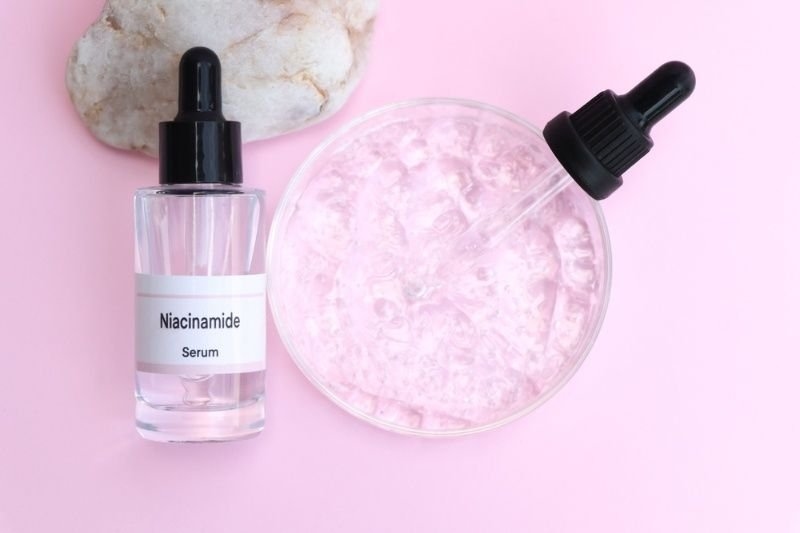
Vitamin C vs. niacinamide often feels complicated to pick the perfect one. Both ingredients have a variety of incredible effects on the skin, and while the ingredients work and target different concerns differently, understanding the key benefits and effects both have can make it easier to pick which ingredient or ingredients fit best into your skincare routine and help you meet your long-term skincare goals.
When looking at niacinamide vs vitamin C, you must first understand that these are both distinct skincare ingredients with different functions. Vitamin C, a powerful antioxidant ingredient that is often used as a topical treatment that targets the improvement of skin tone and brightness, and niacinamide is a version of vitamin B3 that works to fortify the skin barrier and balance the skin’s oil production.
The main difference comes down to skin concerns addressed by each ingredient. A vitamin C brightening serum is best targeted at fading dark spots while also providing a complexion glow, while niacinamide can tackle all sorts of concerns, ranging from pore concerns and red issues to oily skin.
However, each ingredient provides benefits, and which one to use varies depending on what issue your skin needs to address.
Niacinamide is a stable ingredient known for being beneficial for most skin types and is praised for being gentle and effective without causing any irritation in most users. Key niacinamide benefits are that it controls oil, strengthens the moisture barrier, decreases the appearance of pores, and improves uneven skin texture.
Additional effects on the skin include reducing redness and aiding in skin recovery from environmental exposure. Niacinamide may also be used in a variety of everyday face washes, moisturizing creams, or serums because it can complement other skincare ingredients.
Perhaps the best-known ingredient in all the land and perhaps the holy grail product for dull skin, vitamin C features in brightening serums aiming to reduce dark spots and enhance skin radiance. Arguably, one of the greatest benefits vitamin C provides is its antioxidant capabilities.
It protects the skin against a number of environmental damages while stimulating the production of collagen. The overall effects on the skin include a brighter tone, increased smoothness, and a more youthful look. Consistent use of a solid brightening serum can lead to increased skin tone.
Understanding the distinctions between niacinamide and vitamin C becomes easier when comparing the primary functions:
Instead of looking for the "winner" in a niacinamide vs vitamin C comparison, it is helpful to understand what your skin needs.
Vitamin C, if dark spots are your biggest focus, it’s generally the ingredient that works the fastest visually. Incorporating an excellent brightening serum can improve fading by focusing on the improvement of dark spots, acne, and other signs of aging or sun spots.
Although you may see brighter results quicker with a vitamin C serum, niacinamide can work together and boost the improvement of dark spots with more continuous usage. The complementary effects on the skin contribute to a more balanced skin tone over time.
When you are looking to get a boost in your facial glow quickly, vitamin C usually takes the lead. A day-use brightening serum can increase skin’s natural brightness while also offering protection against harmful environmental factors and stressors, which can lead to dull skin.
Niacinamide influences facial glow from a different angle. Rather than directly contributing to skin brightening effects, it improves the skin barrier and hydration and increases overall skin smoothness to get you that healthy, naturally glowy complexion. Both ingredients contribute greatly to skin health, although through different pathways.
Yes, these two skincare ingredients may be used together safely and effectively. Though in the past it was advised to keep them separate, recent product advancements and formulations make using them both beneficial.
Now, there are many brands that have formulated a niacinamide and vitamin C brightening serum, and using them together may have more beneficial effects than the individual use of one ingredient alone. The combined effects on skin include decreased dark spots, increased facial glow, a stronger skin barrier, and much more.
Ultimately, niacinamide vs vitamin C comes down to what benefits your skin most.
Choose Vitamin C if you are looking for:
Choose Niacinamide if you are looking for:
If your skin has a good tolerance to both ingredients, using them together often produces the greatest range of positive effects on the skin.
The debate of niacinamide vs vitamin C is not about picking a winner, because they both play vital but different roles. Vitamin C provides skin with improved facial glow, reduces the prevalence of dark spots, and strengthens your skin, while niacinamide improves your skin barrier and increases overall skin health.
Understanding these two powerful skincare ingredients allows you to pick the right products for you and even to combine them for more flawless skin.
Yes. If gradually introduced into a routine, the two can be used together every single day by most users. If your skin shows signs of irritation, begin with the lowest dose concentration of the product first and work up to higher dosages. Consistency is important.
Your new vitamin C, niacinamide, or brightening serum with one of them in it should typically be applied after cleansing your skin and prior to a moisturizer. This will help your product really work and sink into your skin before adding that additional hydrating barrier on top with your moisturizer product.
It’s possible! Over time, both products can help to fade the look of post-acne hyperpigmentation. While vitamin C is great for breaking down Dark spots directly, niacinamide aids in skin repair and minimizes inflammation.
Most consumers will begin to experience small positive effects within about 4 weeks of using the product every day. It’s usually two to three months of regular use before most skin issues will see more pronounced changes to uneven skin tones and skin texture.
Yes! If you have the unfortunate experience of having very sensitive skin, start with very low concentrations of these serums, maybe every other day for the first couple of weeks, until your skin starts getting accustomed to working vitamin C or niacinamide into its regimen.
This content was created by AI