

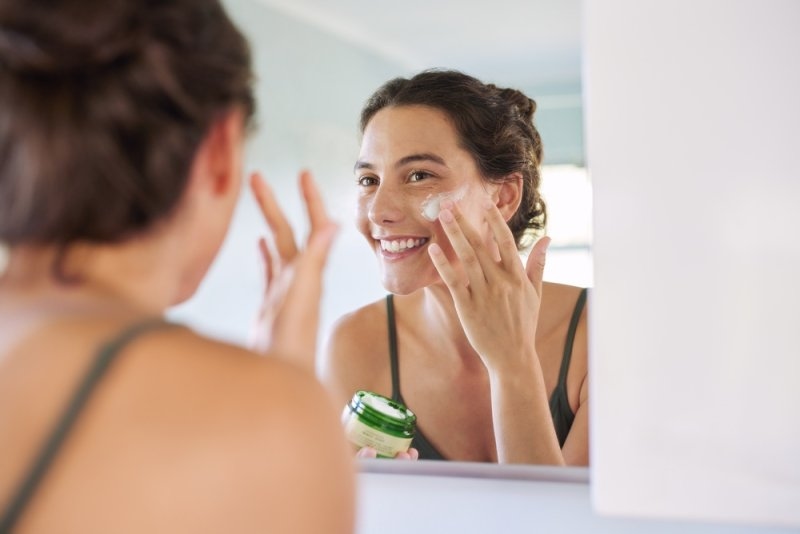
Washing your face strips away dirt, but it also violently tears off your natural oil barrier. Leaving that bare skin exposed to harsh winter weather or direct summer heat ruins your complexion fast. Finding a proper facial moisturizer fixes that chemical damage instantly. You do not need to drop massive amounts of money on tiny designer jars. The actual science relies entirely on picking the right chemical balance for your specific face. Finding that perfect hydration formula stops dry flakes and kills excess oil production on contact. This guide shows you exactly how to pick the right bottle for your daily routine.
Must Read: Niacinamide vs Vitamin C: Which One is Better for Your Skin?
Harsh cleansers and boiling tap water violently strip natural oils right off your face every single morning. A solid cream physically replaces that lost lipid layer. This synthetic barrier locks water deeply inside the skin cells and completely blocks daily city pollution from entering the pores. You stop the extreme dryness instantly.
Dry, dehydrated skin cracks under pressure and forces fine lines to look incredibly deep around the eyes. Pumping heavy hydration back into the face immediately plumps those cells back up. This physical swelling smooths out rough wrinkles and prevents the skin from sagging heavily over time. You keep a tight, firm texture.
Top Pick: Cleansing Mistakes That Make Oily Skin Harder to Manage
Grabbing a random bottle off the shelf guarantees terrible breakouts. You have to match the actual chemical ingredients to your specific face. Use these specific rules to find the absolute best moisturizer for face health.
Wash your face and wait thirty minutes without applying any products. If your cheeks crack and pull tight, you need a heavy cream. If your nose shines like glass, you require a water-based gel. You must identify your natural oil production first before spending any cash.
Check the back label closely before paying. You want hyaluronic acid to pull water into the skin and ceramides to lock it down. Avoid anything listing alcohol near the top, because that harsh chemical burns the moisture right back out.
You cannot use the same bottle all year round. Heavy, thick creams save your face during freezing winter winds. Swap to a light, oil-free lotion during humid summer months to stop your pores from clogging up and causing massive acne cysts.
Sensitive faces turn bright red and burn whenever they encounter the wrong chemical compound. You have to read the ingredient labels aggressively. These rules guarantee you find a highly safe moisturizer for sensitive skin.
Fake smells act as the number one trigger for massive skin rashes. You must buy bottles explicitly labeled fragrance-free. Even products marketed as unscented sometimes use masking chemicals that will still burn a highly sensitive face.
Calm the redness down by feeding your face the right calming agents. Creams packed with colloidal oatmeal, aloe vera, and pure ceramides act like a fire blanket on inflamed cheeks. They immediately drop the skin heat and stop intense itching.
Complex formulas packed with forty different botanical extracts heavily increase your chances of a severe allergic reaction. You want a short, boring ingredient list. The fewer chemicals you smear on your face, the safer your delicate skin barrier remains.
Buying a great cream means absolutely nothing if you rub it on at the completely wrong time. You must layer your products correctly. This is exactly when to apply moisturizer for the biggest physical impact.
Never dry your face completely with a harsh towel. Slapping your cream directly onto a damp, freshly washed face locks that extra tap water directly into the cellular barrier before it evaporates into the room.
Watery liquids always go first. Rub your vitamin C or retinol serums directly into the bare skin. Once those sink in, smear your heavy moisturizer right over the top to seal those active chemicals tightly against your face.
Sunscreen acts as a heavy physical shield against the harsh outdoors. You must apply your hydrating cream first and let it completely absorb. Only then do you lay the thick SPF barrier over the top to protect the entire setup.
Fixing a dry, broken face does not require a complicated ten-step routine or a massive bank account. You just need to understand exactly how your own oil production works before hitting the pharmacy aisle. Stick to clean, simple ingredients that actually trap water deeply inside your cells. Avoid the heavy luxury perfumes that just burn your cheeks for no reason. Keeping a solid facial moisturizer on your bathroom sink serves as the ultimate defense against harsh weather and early wrinkles. Lock down a reliable daily cream and watch your skin texture completely transform within a single week.
Yes, thick creams loaded with heavy mineral oils or coconut butter clog human pores extremely fast. Shoppers prone to acne must strictly buy bottles labeled non-comedogenic to avoid trapping dead dirt inside their skin.
Absolutely. Humid weather makes the body sweat out massive amounts of natural water. Applying a lightweight, oil-free gel replaces that lost hydration without making a face feel incredibly greasy under the hot sun.
A single drop the size of a nickel covers an entire face and neck perfectly. Scooping massive handfuls of cream just wastes money and leaves a nasty, sticky residue all over the pillows.
No, body lotions use heavy, cheap binding chemicals designed strictly for thick leg skin. Rubbing those dense formulas onto delicate facial pores instantly triggers trapped dirt and aggressive cystic acne flare-ups.
Male skin runs slightly thicker and produces more natural oil, but the basic hydration rules remain identical. Men usually prefer fast-drying matte gels over the heavy, glowing creams marketed heavily toward women.
This content was created by AI